
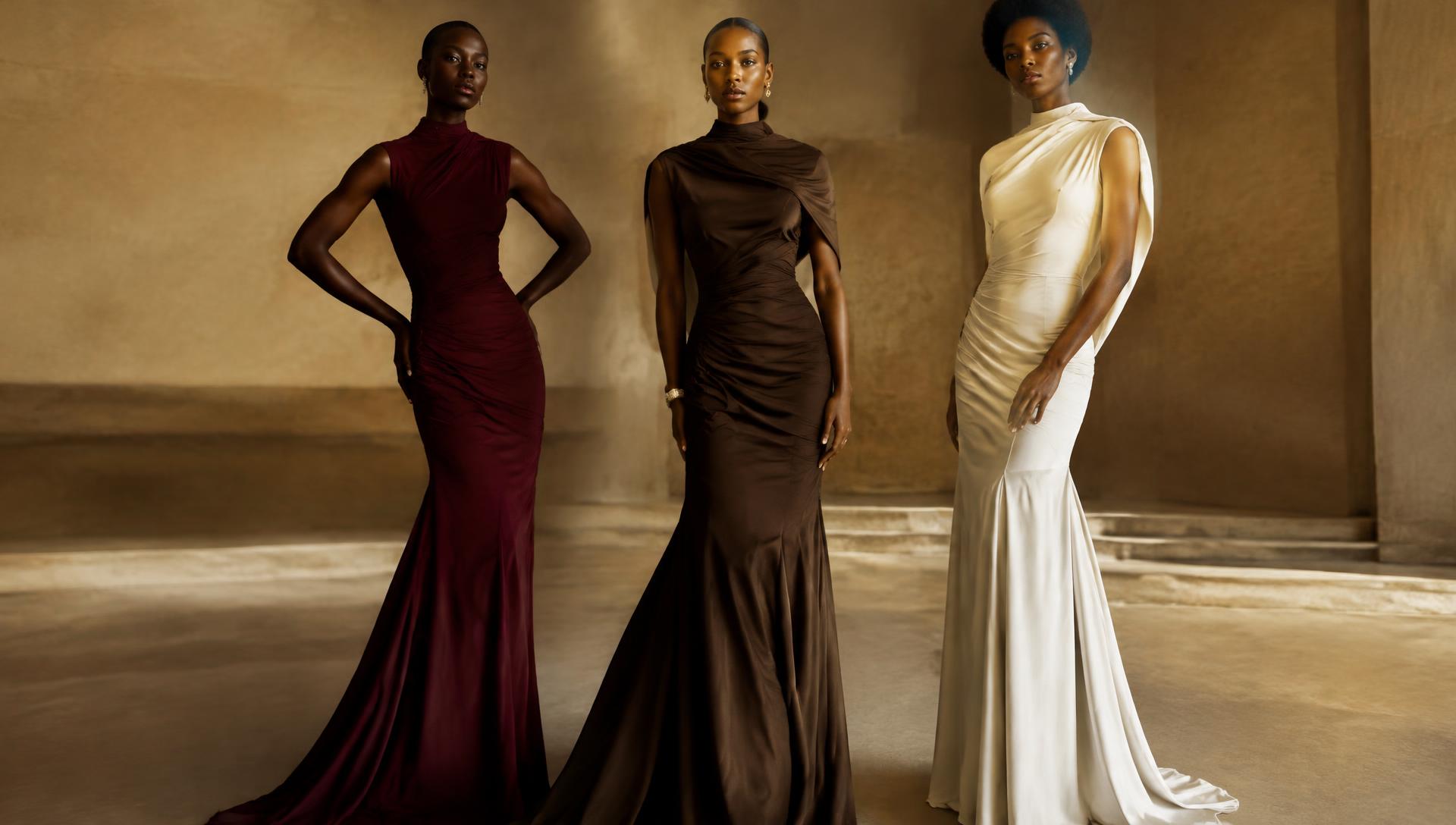
Our Story
To revamp is to begin again.
A house founded in Port Harcourt in 2009 by designer and artist Peaceful Owoghiri — built on the belief that a garment can be remade into something wholly personal.
I — The Idea
The name came first, and it was a promise: to take what is familiar and make it new.
Revamp Atelier began with reinvention — returning to the shapes women already love and giving them a new voice through texture, colour and finish. Not novelty for its own sake, but renewal with intention.

II — The Hands
A painter’s eye, a maker’s patience.
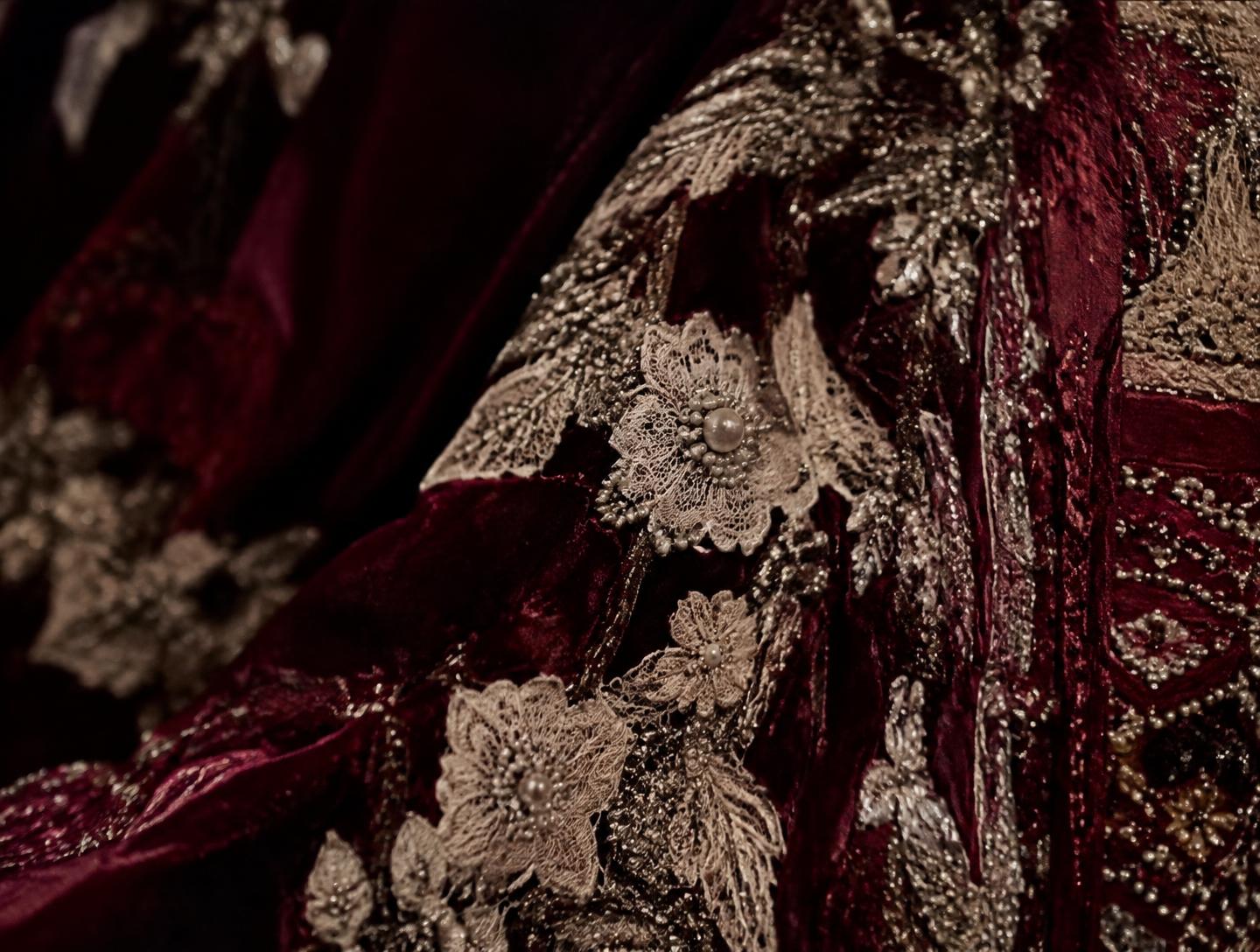
Peaceful Owoghiri approaches cloth the way a painter approaches a canvas. Her instincts are textile-first: the weight of a velvet, the way a lace sits against skin, where an embellishment should catch the light.
Vintage silhouettes and a quiet nostalgia run through the work, alongside the poetry she writes and the visual stories she art-directs herself. Years of cutting, fitting and finishing have made that vision something the hands can carry out.
III — The Turning Point
Some fabrics refuse to be repeated.
Many of the textiles that move her most exist only in limited lengths. A factory would see that as a problem. The atelier saw an invitation.
Rather than chase identical runs, the house chose to let the material lead — to compose each garment from what is at hand, and to finish it with the attention that small numbers allow.
IV — One of One
The silhouette is kept. The composition is yours.
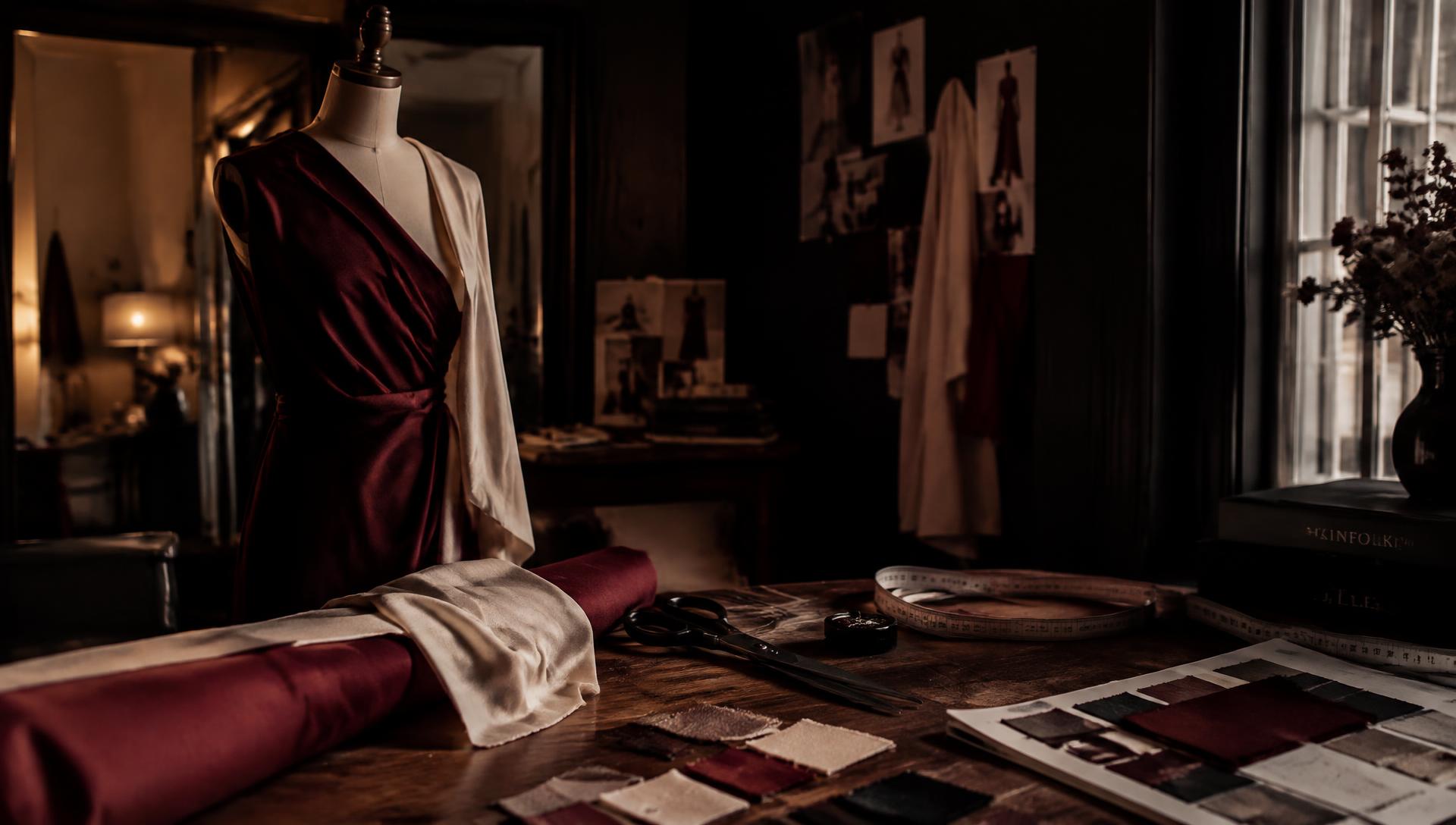
That choice became the Atelier Editions. Each one keeps a signature silhouette, deliberately drawn and recognisable. Within it, the artist places patterned textiles and embellishments by hand, so no two pieces are composed exactly alike.
And because a garment is only finished on the woman who wears it, every piece can be made in a standard size or with Personal Fit — cut to her own measurements.
How Atelier Editions work
V — Beyond the Atelier
Made in Port Harcourt. Worn wherever she is going.
Today the house dresses women far beyond the city where it began, shipping worldwide while every piece is still composed and finished in the atelier. The ambition is simple and unhurried: to keep making clothes that feel discovered rather than produced — and to carry a Nigerian atelier’s way of seeing to the world.